Cada iniciativa separa señales, decisiones y ejecución; después las vuelve a unir en un sistema que tu equipo puede operar y medir.
01
Detection and classification
Models to identify objects, patterns, events, anomalies or visual states.
02
Intelligent monitoring
Flows that turn image and video into alerts, reports and operational actions.
03
Integration with systems
APIs, dashboards and pipelines to connect vision with real business processes.
How it works
Computer vision is turning an image into an understanding of the environment.
A visual system does more than look. It separates signals, detects elements, understands spatial relationships and triggers responses when something changes.
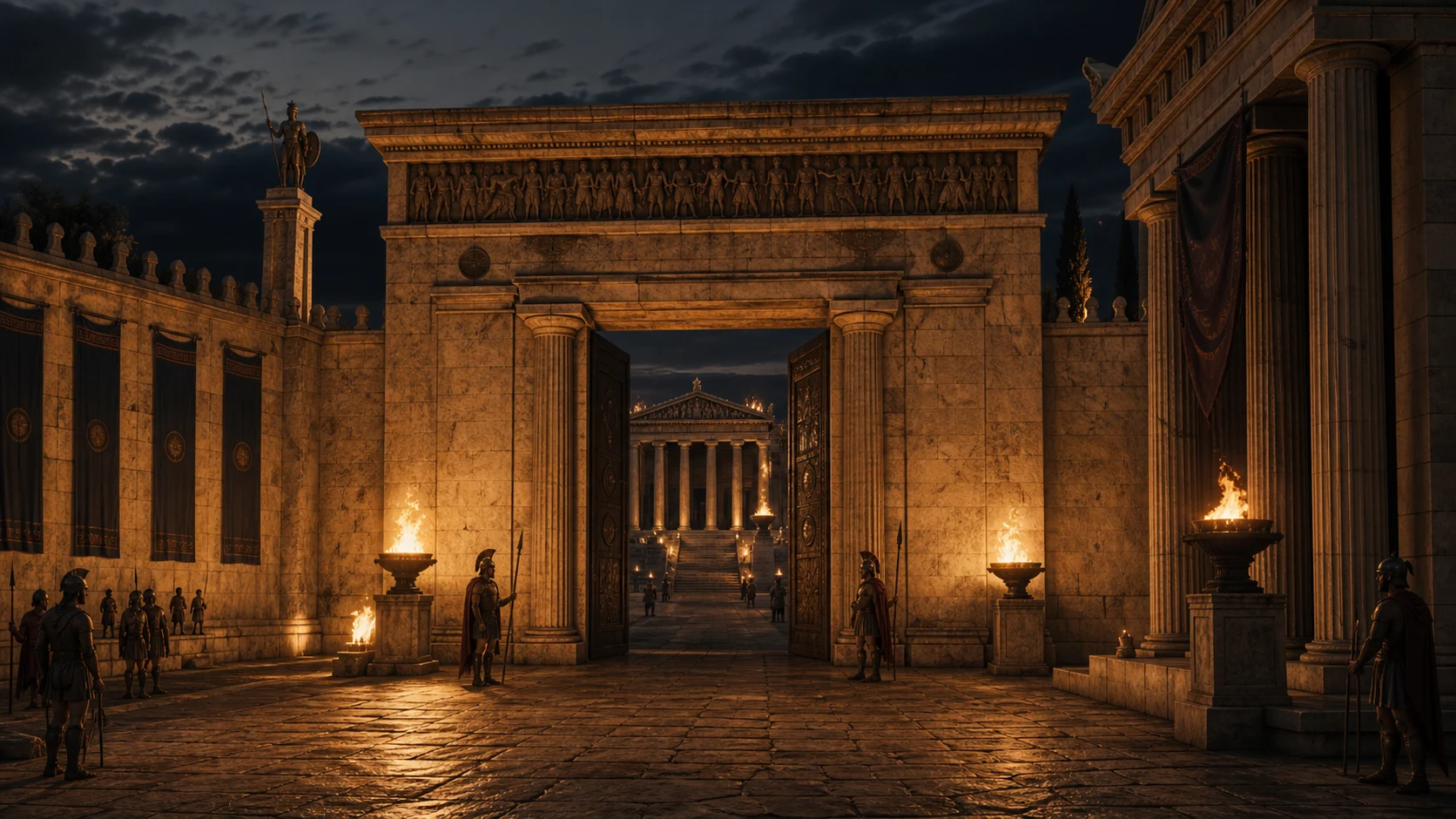
PerimeterAccessFlowActive zone01
Environment and perimeter
It recognises boundaries, entrances, restricted zones and movement inside an operational space.
Perimeter
Marks out public, private and critical zones.
Access
Detects doors, thresholds and control points.
Flow
Follows the paths of people and traffic.
Active zone
Prioritises the areas where the event happens.
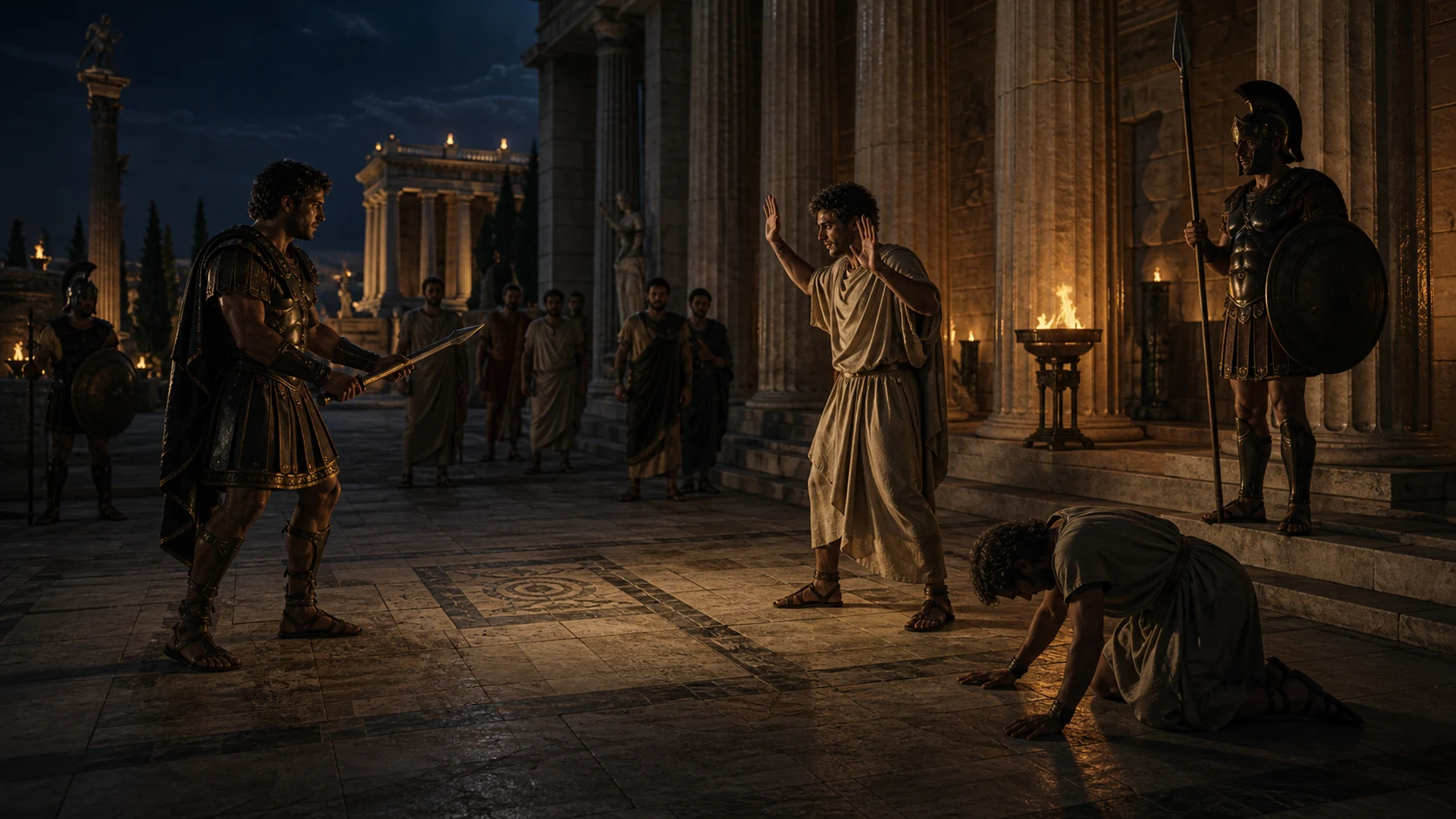
WeaponAggressionGroupFall02
Weapons and violence
It detects objects of risk, aggressive postures, falls and situations that call for an immediate response.
Weapon
An object of risk recognised in the scene.
Aggression
A posture or movement outside the normal pattern.
Group
The context around the main event.
Fall
A physical event that raises an operational alert.
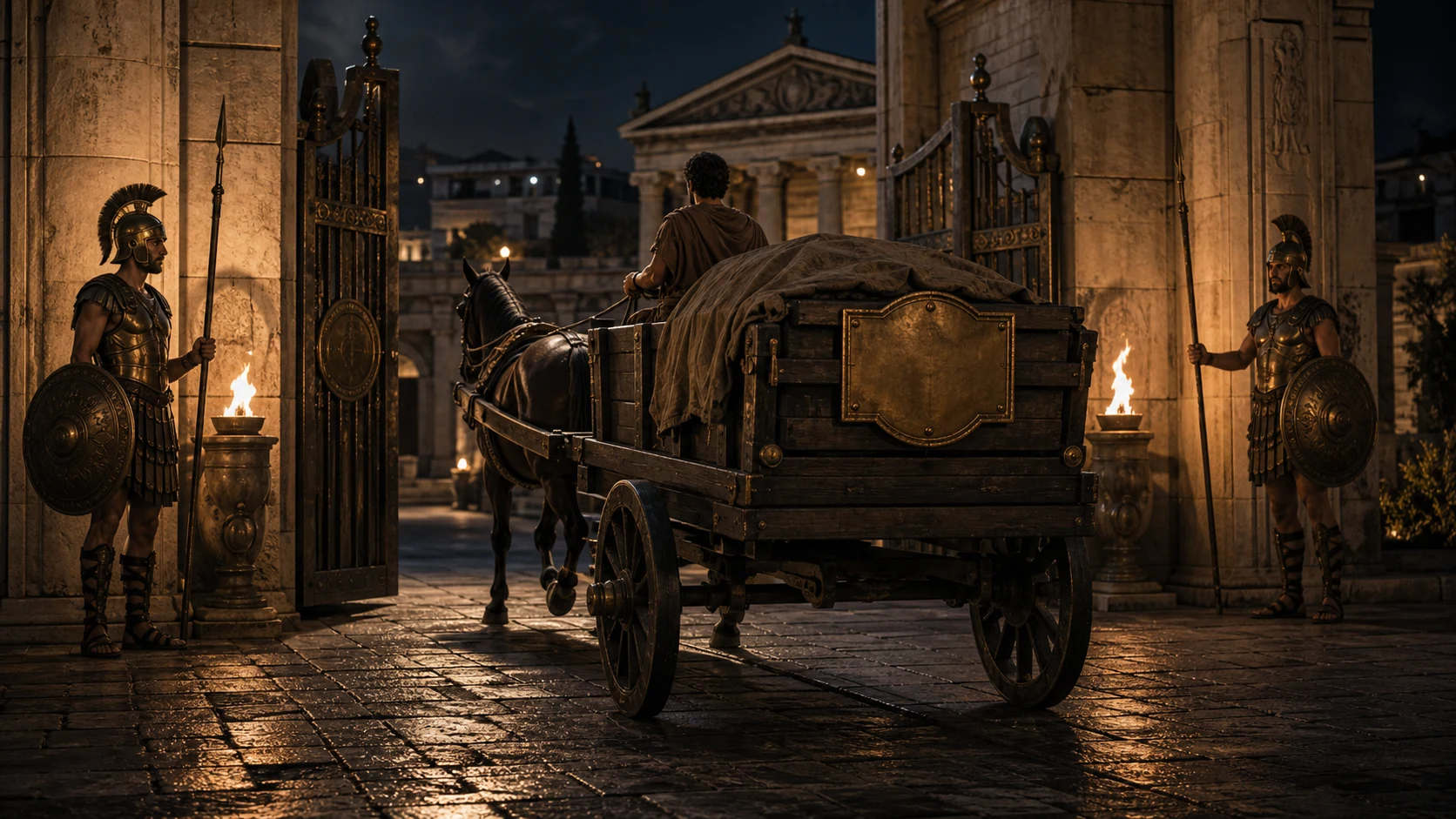
GatePlate / sealVehicleLane03
Vehicles and plates
It reads vehicle movement, entry routes, visible plates or seals, and access decisions.
Gate
Point of entry and authorisation.
Plate / seal
The vehicle's visual identifier.
Vehicle
A moving object with a load and a direction.
Lane
Route, direction and validation zone.
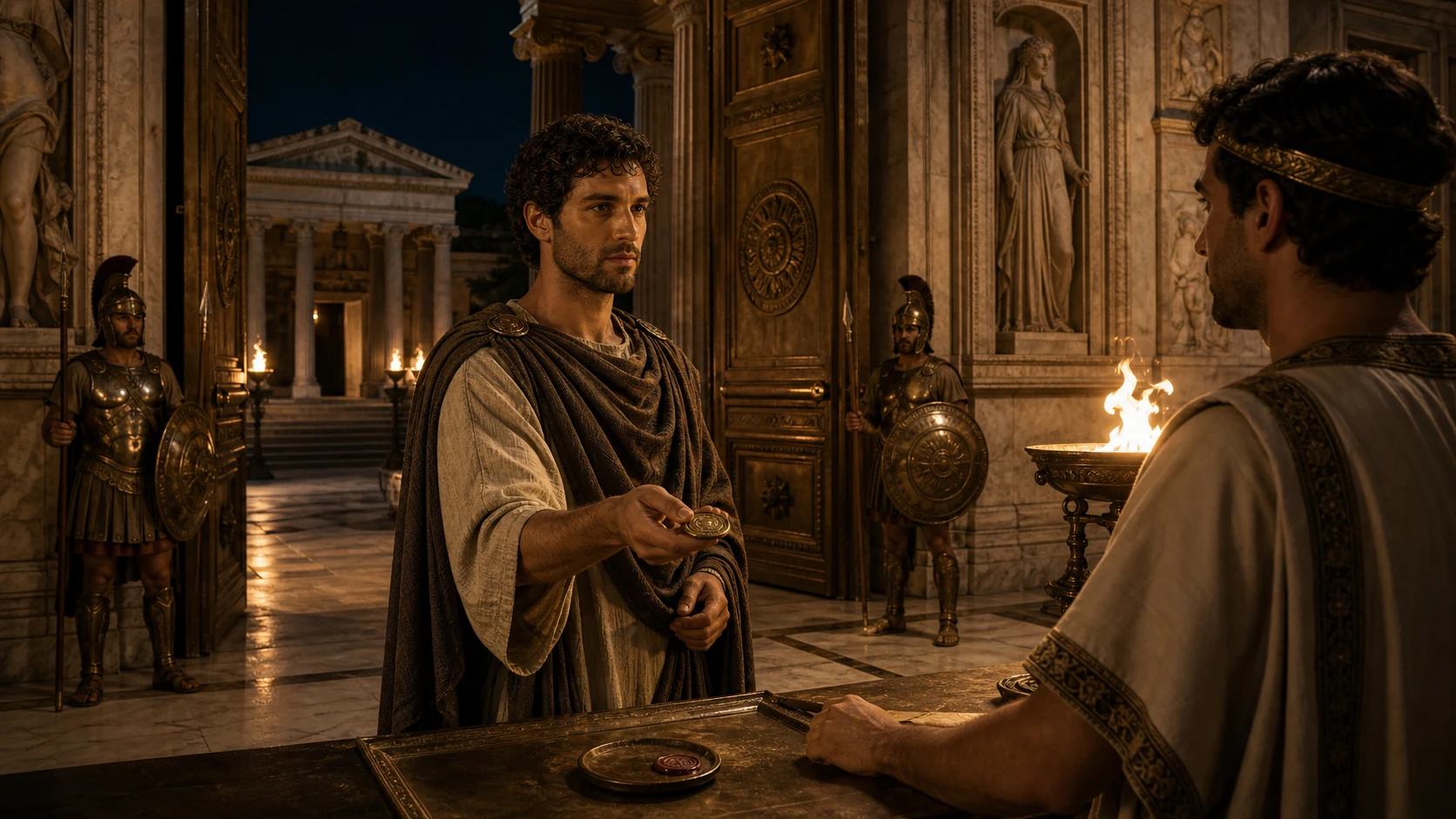
FaceOperatorCredentialRisk04
Face and risk level
It verifies presence at controlled entrances, cross-checks visual signals and assigns a risk priority.
Face
Presence verified at an access point.
Operator
Human or automated validation.
Credential
Token, pass or visual seal.
Risk
Confidence, alert and the decision to admit.
Entregables
From video to actionable data.
Estrategia, producto y operación quedan conectados. Nada termina en una presentación bonita que otro equipo deba reconstruir.
1
Visual model
Dataset, training, evaluation and accuracy criteria.
2
Pipeline
Processing, inference, storage, alerts and integration.
3
Dashboard
Supervision, metrics, human review and continuous operation.
How we work
Computer vision for companies: from a controlled pilot to daily operation
We start in the field, not in the lab: we collect samples from your cameras or real captures, define with your team which events matter — an object, a behaviour, a defect, a plate — and agree in writing what accuracy is acceptable to operate on. With those criteria we train and tune the models, and put them through a pilot in real conditions: the light, the dust and the angles of your operation, not those of an ideal dataset. Only when the pilot meets the agreed criteria do we move to deployment, at the edge or in the cloud depending on each site's latency and connectivity.
The deliverables include the model evaluated against the criteria we agreed, the complete processing and inference pipeline, the alerts and integrations with your systems — messaging, dashboards, APIs — and the retraining plan so accuracy does not degrade when conditions change. All of it with human review at the points where the cost of a false positive warrants it.
Computer vision pays off where there are already cameras that today only record: physical security and access control, quality inspection on the plant floor, monitoring of logistics operations, counting and traceability in retail or agriculture. If your operation produces images or video and a timely alert saves cost or risk, there is a case worth assessing — and we will tell you frankly whether today's technology reaches it or not.
Siguiente movimiento
Computer vision with direct premium support.
For operations where one visual alert can save time, cost or risk.